
Hugo Fattoruso
Uruguayan multi-instrumentalist and key figure in Latin American fusion.

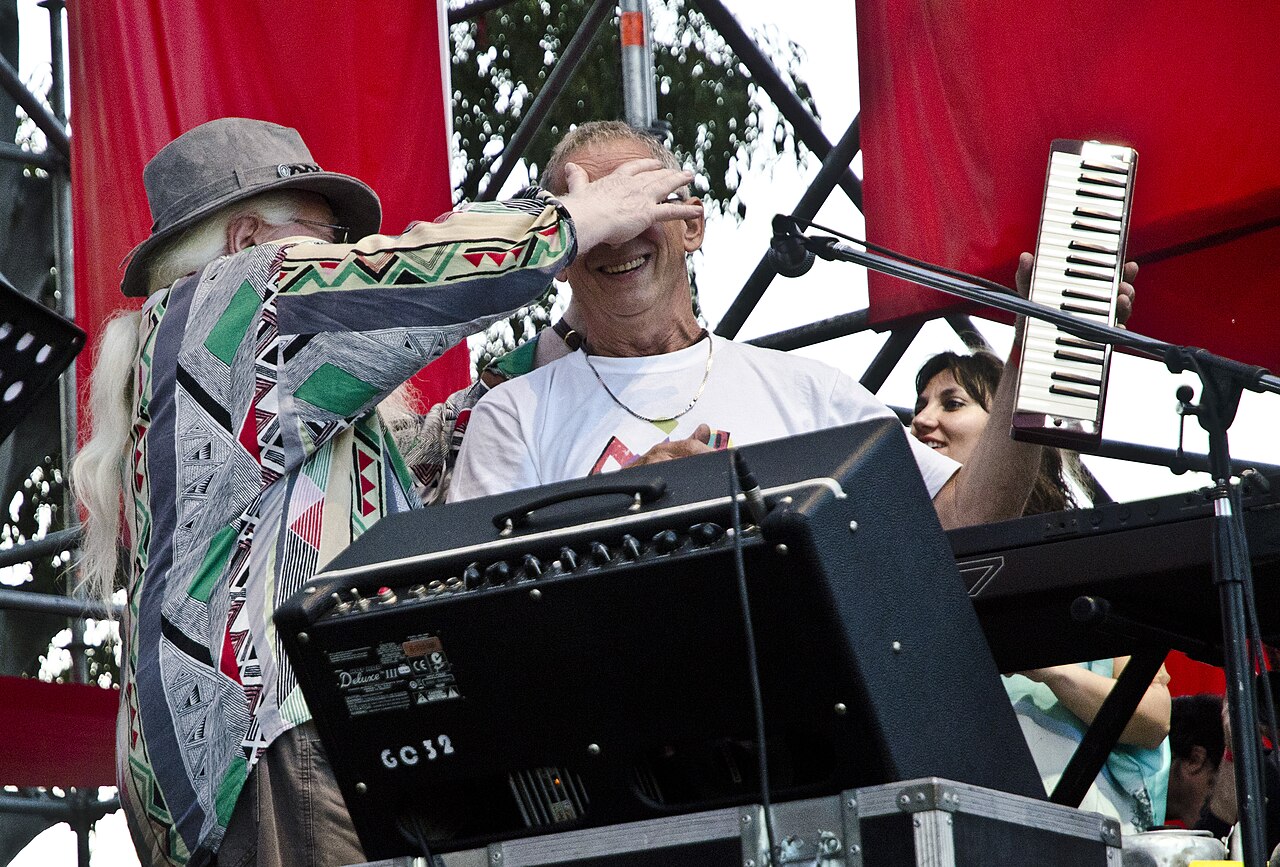
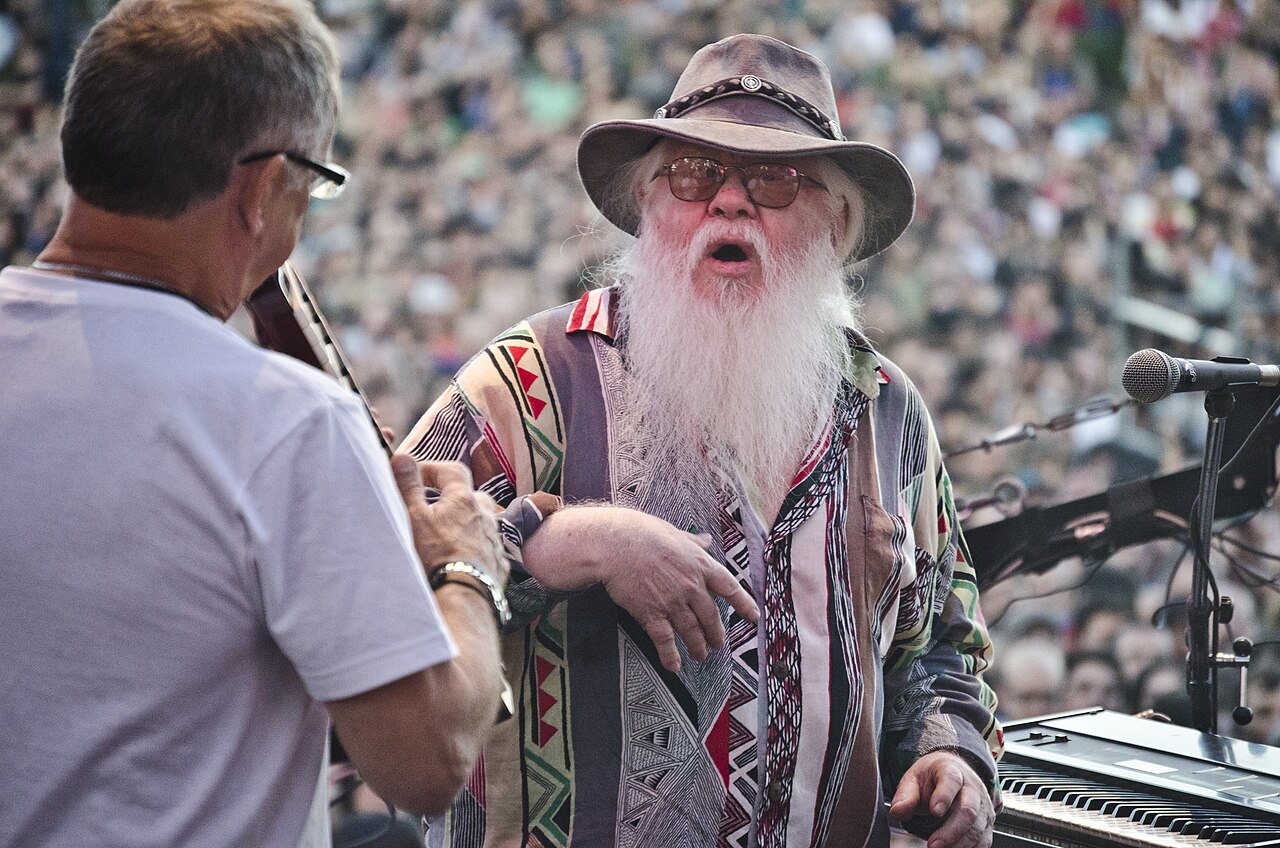
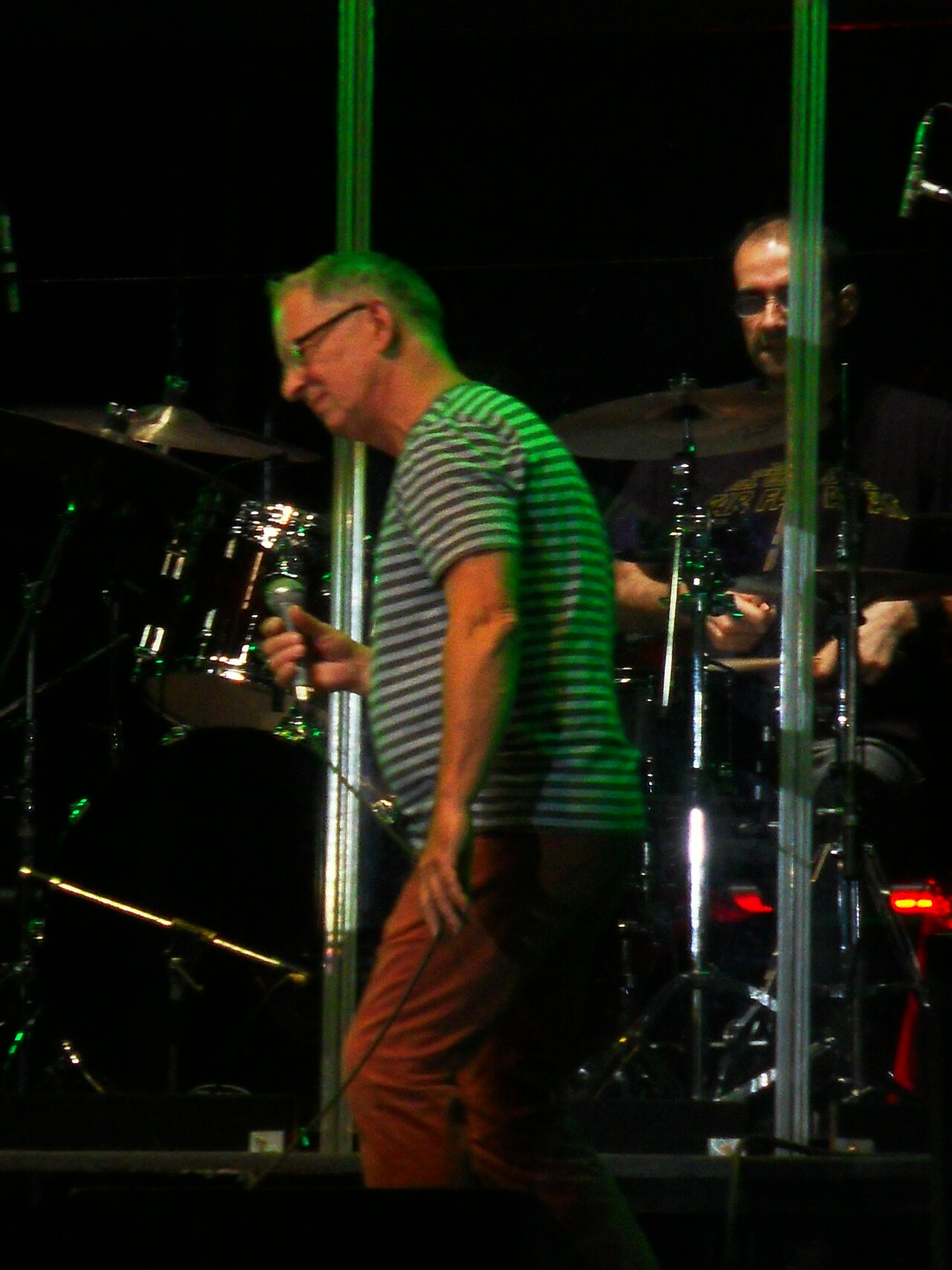
Adriel ricardo morales · CC BY-SA 3.0
Hugo Fattoruso Dorci, born on 29 June 1943, is a Uruguayan musician, composer, arranger, and multi-instrumentalist. Active since the 1950s, his work spans rock, jazz, candombe, funk, and fusion, and he is regarded as an important figure in contemporary Latin American music. He first gained attention as a member of Los Shakers, a 1960s Uruguayan rock band known for its Beatles-inspired style, which became widely popular across South America. While the group’s first two albums closely followed the Beatles’ musical approach, their third and final record, *La Conferencia Secreta del Toto’s Bar* (1968), blended tango, candombe, and bossa nova, and is seen as a key work in the development of Latin rock.
In the early 1970s, Fattoruso moved to the United States and, with his brother Osvaldo Fattoruso, co-founded the jazz-fusion group Opa, originally formed as a backing band for Airto Moreira. Opa combined electric jazz with Afro-Uruguayan candombe, Brazilian music, and funk, later gaining a cult following in the Latin jazz-rock scene. Over his career, Fattoruso has worked with artists including Milton Nascimento, Airto Moreira, Flora Purim, Hermeto Pascoal, Djavan, Jaime Roos, and Ruben Rada. His solo output covers many genres, and he has led or taken part in numerous projects—such as Trio Fattoruso, Barrio Opa, and Rey Tambor—often centered on merging candombe with jazz. He has earned several honors, among them a Latin Grammy Award for Musical Excellence, and continues to perform and record, remaining influential in Uruguay’s musical culture and in international jazz and world music.
- born
- 29 June 1943
- field
- Musician, composer, arranger, multi-instrumentalist
- nationality
- Uruguayan
- known_for
- Member of Los Shakers and co-founder of Opa; fusion of candombe and jazz
Lore & Background
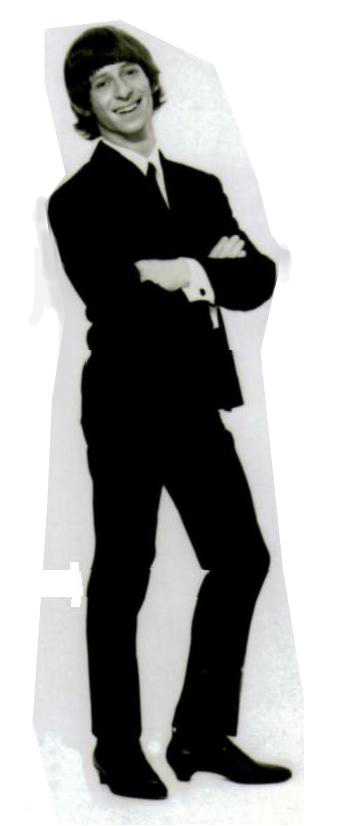
Hugo Fattoruso began his career in the 1950s, first with Trío Fattoruso (1952–1958) and then The Hot Blowers (1959–1963). He gained widespread popularity in South America as a member of Los Shakers from 1964 to 1969. The band's third and final album, La Conferencia Secreta del Toto’s Bar (1968), incorporated tango, candombe and bossa nova, and is regarded as an important contribution to the development of Latin rock.
In the early 1970s Fattoruso moved to the United States, where he co-founded the jazz-fusion ensemble Opa with his brother Osvaldo Fattoruso, originally as the backing group for Airto Moreira. Opa blended electric jazz with Afro-Uruguayan candombe, Brazilian music and funk, and later achieved a cult following within the Latin jazz-rock scene. Throughout his career Fattoruso has collaborated with artists such as Milton Nascimento, Airto Moreira, Flora Purim, Hermeto Pascoal, Djavan, Jaime Roos and Ruben Rada.
His solo work spans a wide range of genres, and he has led or participated in numerous projects, including Trio Fattoruso, Barrio Opa and Rey Tambor, often focusing on the fusion of candombe and jazz. He continues to perform and record, and remains an influential figure in Uruguay's musical culture as well as in international jazz and world music.
Reader's Guide
Hugo Fattoruso's significance lies in his role as a pioneer of Latin rock and jazz fusion, bridging Uruguayan candombe with international genres. As a member of Los Shakers, he helped introduce Beatle-influenced rock to South America, while the band's final album marked an early Latin rock milestone. His co-founding of Opa in the United States further expanded the fusion of Afro-Uruguayan rhythms with electric jazz and funk, earning a cult following. Fattoruso's extensive collaborations with major Brazilian and Uruguayan artists, along with his solo work and projects like Trio Fattoruso and Rey Tambor, demonstrate his sustained influence. His awards, including a Latin Grammy Lifetime Achievement Award (2019) and the Order of the Rising Sun (2026), reflect his lasting impact on both Uruguayan and international music. His career, spanning from the 1950s to the present, shows a continuous exploration of genre fusion, making him a key figure in contemporary Latin American music.
Did You Know?
- Hugo Fattoruso co-founded the jazz-fusion ensemble Opa with his brother Osvaldo Fattoruso.
- Los Shakers' third album, La Conferencia Secreta del Toto’s Bar (1968), incorporated tango, candombe and bossa nova.
- Fattoruso received a Latin Grammy Award for Musical Excellence.
A Lifelong Cartographer of Sound
Hugo Fattoruso Dorci, born on 29 June 1943 in Uruguay, has spent more than seven decades moving fluidly across genres that most musicians would treat as separate careers. A composer, arranger, and multi-instrumentalist, he has worked in rock, jazz, candombe, funk, and fusion since the 1950s. His band history reads like a map of musical evolution: the Trío Fattoruso in the early 1950s, The Hot Blowers in the early 1960s, Los Shakers in the mid-to-late 1960s, and the jazz-fusion ensemble Opa from 1969 through 1981. After a long stretch of solo and collaborative work, he reactivated the Trío Fattoruso name in 2000, launched the Rey Tambor project in 2003, and has pursued solo recording since 2004. Along the way he has shared stages and studios with luminaries such as Milton Nascimento, Airto Moreira, Flora Purim, Hermeto Pascoal, Djavan, Jaime Roos, and Ruben Rada. His discography spans well over thirty albums across dozens of ensembles, from the duo Dos Orientales with Japanese guitarist Tomohiro Yahiro to the duo Ha Dúo with Albana Barrocas, whose latest release Puente arrived in 2023.
Los Shakers and the Birth of a Sound
In the mid-1960s, Fattoruso found his first major audience as a member of Los Shakers, a Uruguayan rock group whose early recordings were deeply shaped by the Beatles' melodic and harmonic language. The band's debut album, released in 1965, and its 1966 follow-up Shakers for You both leaned heavily on that British pop-rock template, and the group went on to enjoy broad popularity across South America. The true turning point came with their third and final studio record, La Conferencia Secreta del Toto's Bar (1968). On that album the band wove in tango rhythms, Afro-Uruguayan candombe percussion, and the gentle swing of bossa nova, producing a sound that felt unmistakably South American while retaining the energy of rock. Musicians and critics have since pointed to that record as a foundational document in the emergence of Latin rock. A 2005 bonus-tracks release kept the material in circulation, and the Shakers' story remains a touchstone for anyone tracing how rock music took root on the continent.
Opa: Jazz, Candombe, and the American Years
In the early 1970s Fattoruso relocated to the United States and, together with his brother Osvaldo, co-founded the ensemble Opa. The group began life as the backing band for Brazilian percussionist Airto Moreira, but it quickly developed its own identity. Opa's music fused electric jazz with the polyrhythmic pulse of Afro-Uruguayan candombe, Brazilian melodic traditions, and the groove of funk, creating a hybrid that had few precedents. Over the course of more than a decade the band released Goldenwings (1976), Magic Time (1977), the live recording Opa en vivo (1987), and Back Home (1996). Though Opa never achieved mainstream commercial dominance, it cultivated a devoted cult following within the Latin jazz-rock circuit and is credited with helping to legitimize the marriage of African-rooted percussion with Western electric instrumentation. The Fattoruso brothers' work in Opa remains a reference point for later fusion projects that sought to place candombe and Brazilian rhythms inside a jazz and rock framework.
Recognition and an Unfinished Story
Fattoruso's contributions have been acknowledged at the highest levels of both national and international music culture. In 2019 he received the Latin Grammy Lifetime Achievement Award, a capstone honor for a career that had already spanned six decades. Uruguay's capital city named him a Distinguished Citizen of Montevideo in 2009, and in 2015 the Konex Mercosur Award recognized his impact on popular music across the Southern Cone. More recently, the Golden Morosoli Award (2023) and, in 2026, the Order of the Rising Sun bestowed by Japanese Emperor Naruhito, underscore the global reach of his influence. Yet Fattoruso shows no sign of slowing down. His 2021 releases Recorriendo Uruguay and Maquetas y Borradores, the 2023 duo album Puente with Albana Barrocas, and ongoing work with the Trío Fattoruso and Rey Tambor all attest to a musician who still treats the studio and the stage as places of discovery. His film appearances, including the 1999 short El Chevrolé and the 2015 documentary Dos Orientales, further illustrate how deeply his artistry permeates Uruguayan cultural life.
Gallery

Frequently Asked Questions
Who is Hugo Fattoruso?
Hugo Fattoruso Dorci, born 29 June 1943, is a Uruguayan multi-instrumentalist, composer, and arranger whose career has spanned rock, jazz, candombe, funk, and fusion since the 1950s. He is widely regarded as a central figure in contemporary Latin American music.
Which bands is Hugo Fattoruso best known for?
He first gained wide recognition as a member of Los Shakers, a 1960s Uruguayan rock group with a Beatles-influenced sound that became popular across South America. He is also credited as a co-founder of the ensemble Opa.
What makes Hugo Fattoruso's musical style distinctive?
His work is especially noted for weaving traditional Uruguayan candombe rhythms into jazz and other genres, producing a distinctive Latin American fusion voice. This cross-genre approach set him apart from musicians who stayed within a single style.
Why is Hugo Fattoruso considered important in Latin American music?
He is viewed as a key architect of the region's fusion tradition, bridging folk candombe with jazz, rock, and funk over a career stretching back to the 1950s. His influence extends well beyond Uruguay, making him a reference point for Latin American musicians.
How did Hugo Fattoruso's work with Los Shakers evolve across their albums?
The group's first two records closely followed the Beatles' musical approach, while their third and final album, La Conferencia Secreta del Toto's Bar, signaled a move toward more original territory. Fattoruso's broader career then carried him well past that rock phase into jazz, candombe, and fusion.
More in Latin jazz musicians 1-24
Spotted an error? Know more?
This is a living reference — every entry is fact-audited, and reader corrections feed straight into our audit queue. Suggest an edit · See this site's audit record